
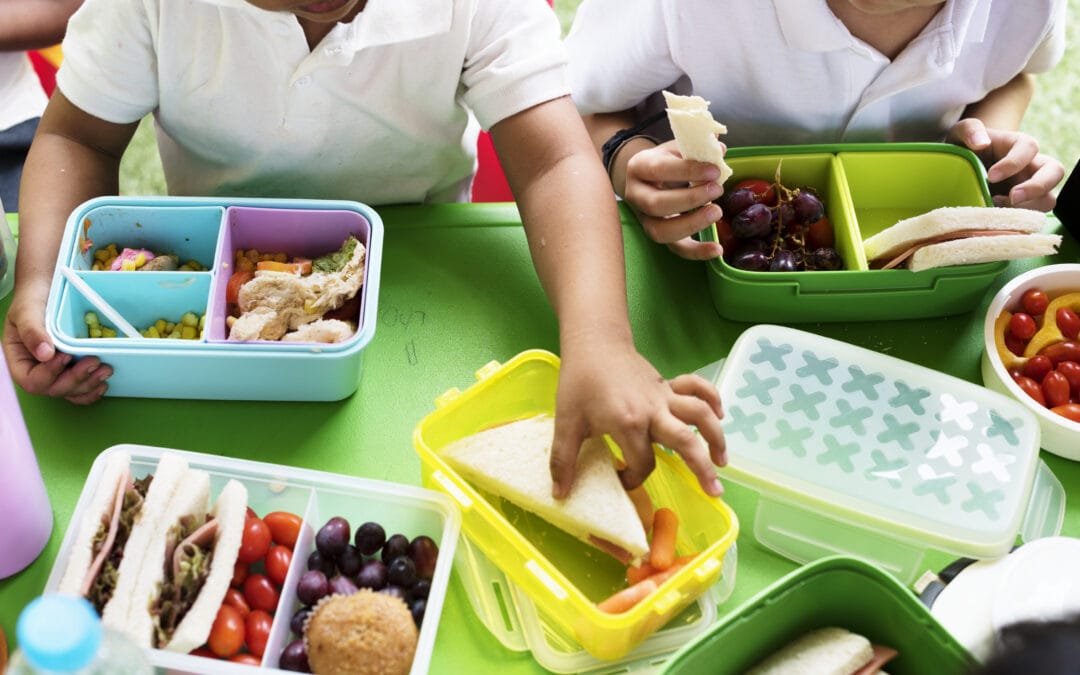
IMPORTANT OF NUTRITIOUS FOOD
Proper nutrition plays a vital role in the growth and development of children. A balanced and nutritious diet is essential to meet their energy needs and support their overall health and well-being. In this article, we will explore the significance of nutritious food for children, the benefits it provides, and the kinds of activities that can promote healthy eating habits.
WHAT ARE THE BENEFIT OF NUTRITIOUS FOOD?
PHYSICAL GROWTH AND DEVELOPMENT
Nutritious food is essential for children’s physical growth and development. It provides the necessary nutrients, such as proteins, carbohydrates, healthy fats, vitamins, and minerals, which are crucial for their growing bodies. These nutrients aid in the formation of strong bones and teeth, support muscle development and help maintain a healthy body weight.
COGNITIVE DEVELOPMENT
A well-balanced diet directly impacts a child’s cognitive development. Nutrients like omega-3 fatty acids, iron, zinc, and B vitamins are critical for brain function and memory. Consuming nutritious food can enhance concentration, improve focus, and boost overall cognitive abilities. It also contributes to better academic performance, as a well-nourished brain is more capable of learning and retaining information.
ENHANCED IMMUNE SYSTEM
A nutritious diet strengthens a child’s immune system, reducing the risk of illness and infections. Essential nutrients, including vitamin C, vitamin A, vitamin E, zinc, and selenium, help support the body’s defense mechanisms. A robust immune system allows children to fight off common infections, recover from illnesses faster, and maintain good health overall.
WHAT ARE SOME ACTIVITIES RELATED TO NUTRITIOUS FOOD?
GARDENING
Gardening can be a fun and educational activity for children. Growing their own fruits, vegetables, or herbs teaches them about the importance of fresh produce and encourages them to incorporate these foods into their diets.
COOKING CLASSES
Enroll children in cooking classes or workshops focused on healthy eating. This will teach them valuable cooking skills, introduce them to nutritious recipes, and inspire them to enjoy preparing and consuming wholesome meals.
ROLE MODELLING
Parents and caregivers should be positive role models by practising healthy eating habits themselves. Children tend to emulate their parent’s behavior, so seeing adults make nutritious food choices will influence their own eating patterns.
Nutritious food is vital for children’s growth, development, and overall well-being. It supports physical and cognitive development, boosts the immune system, provides energy, and promotes healthy weight management. By engaging children in various activities that encourage healthy eating habits, we can instill a lifelong appreciation for nutritious food and set them on the path to a healthy future.