
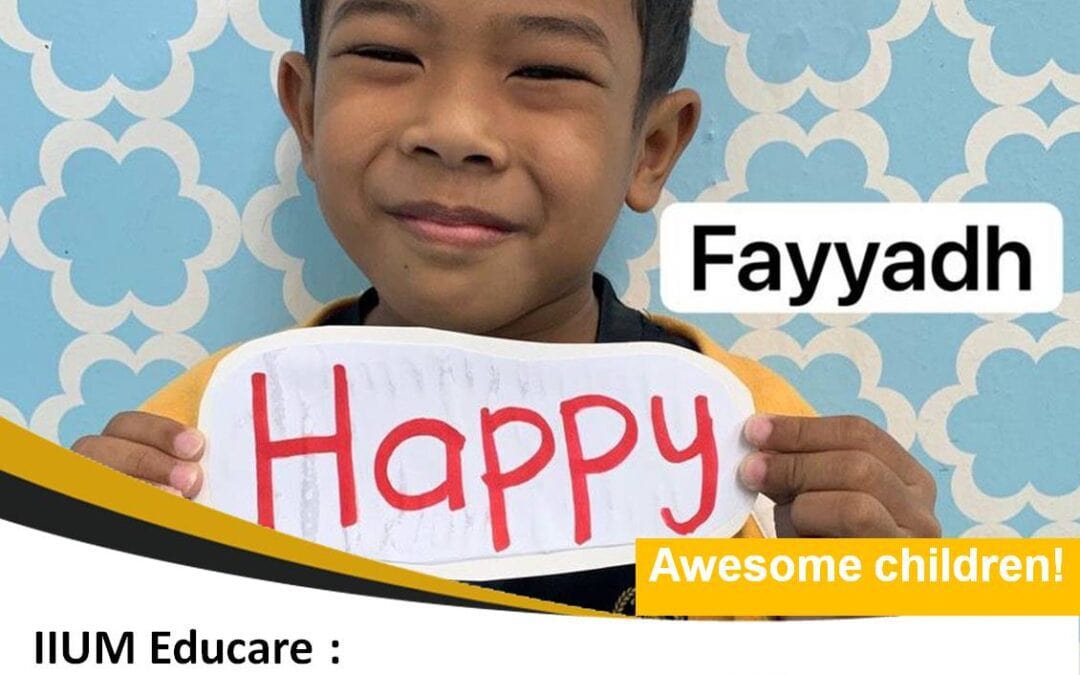
Social and emotional development includes child’s experience, child’s expression and how they manage their emotion with others. In addition it is also referring to children’s emerging capacity to experience, to regulate and to express a range of emotions.


Example:
- Ability to demonstrate empathy for friends, parents, and others.
- Form positive friendships with peers and other people
- Control problematic behaviors
Next, let’s see our children activities with their teachers to recognize their emotional expressions. Besides that, you can see their emotional expressions like anger, happy, sad and excited. However, this is essentially the beginning to grasp impulse control. They learn how to:
- Distribute and share a toy during playtime.
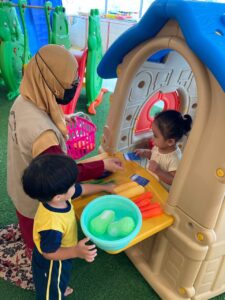
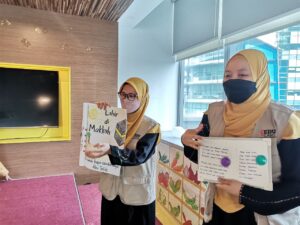
- Take turns with a classmate when playing with a toy.
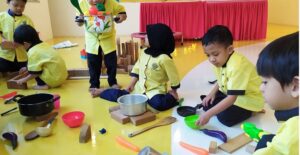
Next, the impact of social-emotional skills on children with healthy social-emotional skills is more likely to succeed in school, work, and life. Moreover,social-emotional skills encourage them to:
1) Make friends and foster friendships.
2) Gain confidences.
3) Resolve conflicts
4) Manage stress and anxiety.
5) Learn social norms.
6) Commit appropriate decisions.
7) Resist negative social pressure.
8) Learn strengths and weaknesses.
9) Gain awareness of what others feeling
Social and emotional development strategies
There are some strategies to encourage your children’s social-emotional development:
First, be a model of the emotions and behaviors to indicate them. Therefore, at IIUM Educare our children constantly assume their teacher first and they will evaluate their teacher as a role model. Secondly, be responsive to their emotions and behaviors. Responding will encourage them to develop trust between you and your child.Thirdly, seek open-ended questions, such as “What would you do?”. It will encourage them to develop problem-solving skills.
Next, use stories to talk to your child about various social situations and how each person might be feeling.Other than that encourages kids to try new things and learn how much they can do.Besides that, play games to instruct children how to take turns, win and lose, share, and negotiate.Furthermore, propose questions to them when they are distressed. For example, “Would you like to tidy up your place or arrange your book first?”. Lastly, sit with them and make it a social activity, e.g. asking them questions or playing turn-taking games.
In summary, social and emotional development is about improving the well-being of every individual in society. Hence, they can grasp their maximum potential which is investing in people, families and the whole of society.